Model Polytechnic College, Mattakkara, under the Institute of Human Resources Development (IHRD), Government of Kerala, is committed to providing quality technical education and practical training to aspiring engineers.
🎓 About This Platform
This Moodle-based e-learning platform is designed to make learning interactive, effective, and accessible. Here, students and faculty can collaborate seamlessly and stay connected beyond classrooms.
✨ Key Features:
📂 Access course materials, notes, and resources anytime
📝 Submit assignments, take quizzes, and track progress
📢 Stay updated with important announcements
🤝 Foster collaboration between students and faculty
Program: Diploma in Electrical & Electronics Engineering Course Code: 3031 Course Title: Analog & Digital Circuits Semester : 3 Credits: 3 Course Category: Program Core Periods per week: 4 (L:3 T:1 P:0) Periods per semester: 60
Program: Diploma in Electrical & Electronics Engineering Course Code: 3031 Course Title: Analog & Digital Circuits Semester : 3 Credits: 3 Course Category: Program Core Periods per week: 4 (L:3 T:1 P:0) Periods per semester: 60
Program: Diploma in Electrical & Electronics Engineering Course Code: 3031 Course Title: Analog & Digital Circuits Semester : 3 Credits: 3 Course Category: Program Core Periods per week: 4 (L:3 T:1 P:0) Periods per semester: 60
Course Objectives: 1. To introduce the simulation and test functional aspects of digital electronics circuits using Gate level, Data flow, Behavioural modelling of Verilog Hardware description language 2. To familiarize FPGA trainer kit
Course Code: 5039B Program: Diploma in Electrical and Electronics Engineering Semester: 5 Credits: 1.5 Category: Program Elective Periods per Week: 3 (Practical) Total Hours per Semester: 45
Placement Training for ThoughtWorks Admission Test
Course Description: This course is designed to prepare students for the ThoughtWorks admission and placement test. It provides comprehensive training on the various topics and skills required to succeed in the selection process. Through structured lessons, practice exercises, mock tests, and tips from experts, participants will gain the confidence and competence needed to perform well.
Key Features of the Course:
Understanding the Test Pattern: Detailed insights into the ThoughtWorks placement process and exam structure.
Program: Diploma in Electronics Engineering / Electronics and Communication Engineering (Semester 6)
Course Overview:
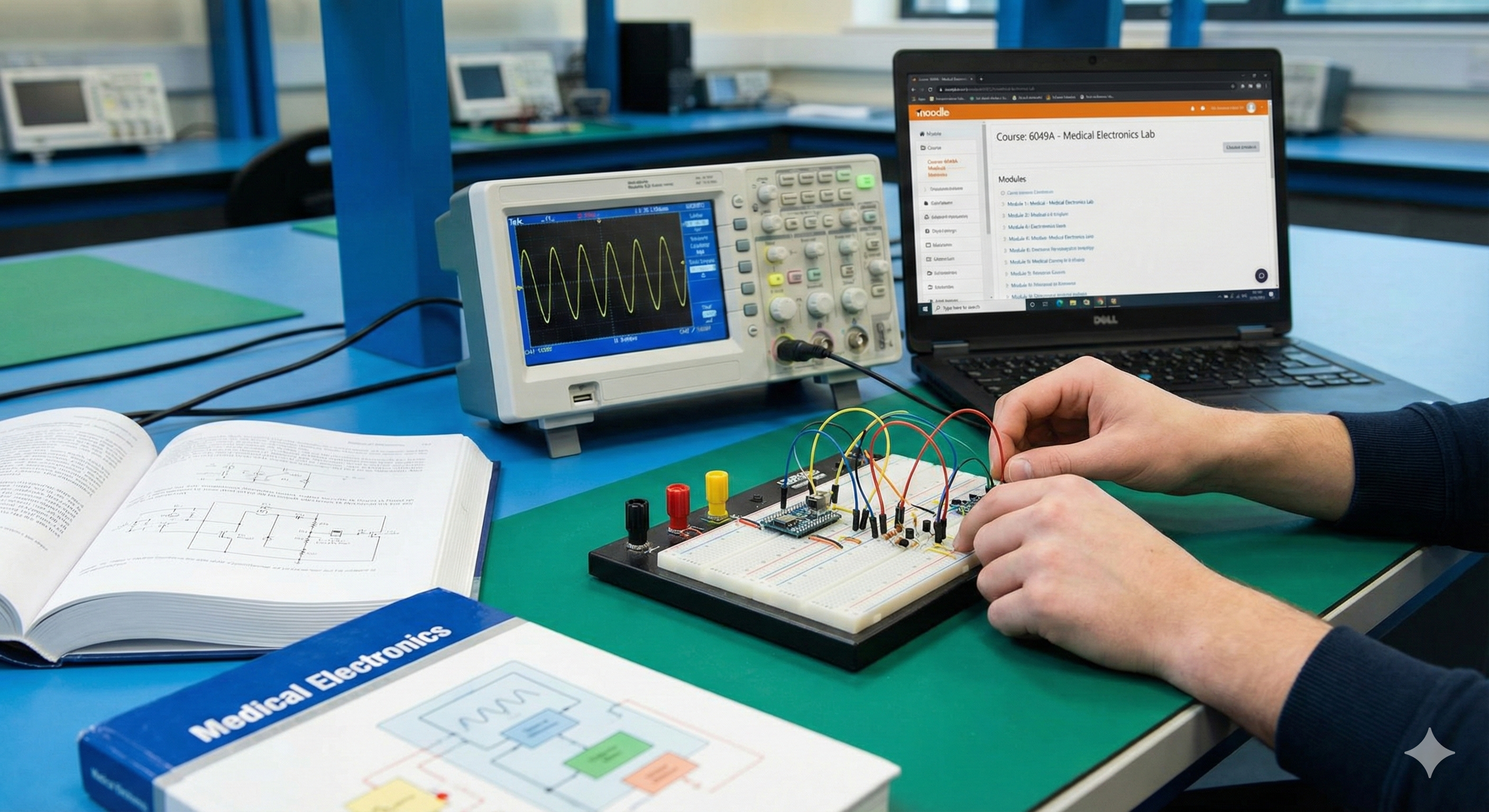
This course provides hands-on experience in circuit design, aiming to equip students with the skills to design and set up circuits used in medical instruments2. It lays the foundation for developing proficiency in the maintenance and servicing of medical equipment3.
Key Learning Outcomes:
Front-End Design: Make use of op-amp based circuits to design and implement bio-amplifiers, notch filters, and band-pass filters.
Signal Processing: Implement circuits for biopotential recorders, including precision rectifiers, threshold detectors, and sample & hold circuits.
Output Implementation: Design circuits for the output section of medical instruments, such as chart drives and automatic gain control circuits.
IC Application: Experiment with specific ICs (e.g., IC 4051, IC 7107) and engage in open-ended projects like creating Heart Rate Monitors or Digital BP Meters.
Prerequisites:
Students should have prior knowledge of Transistor-based circuit design (Electronic circuits) and Operational amplifier-based circuits (Linear Integrated Circuits).
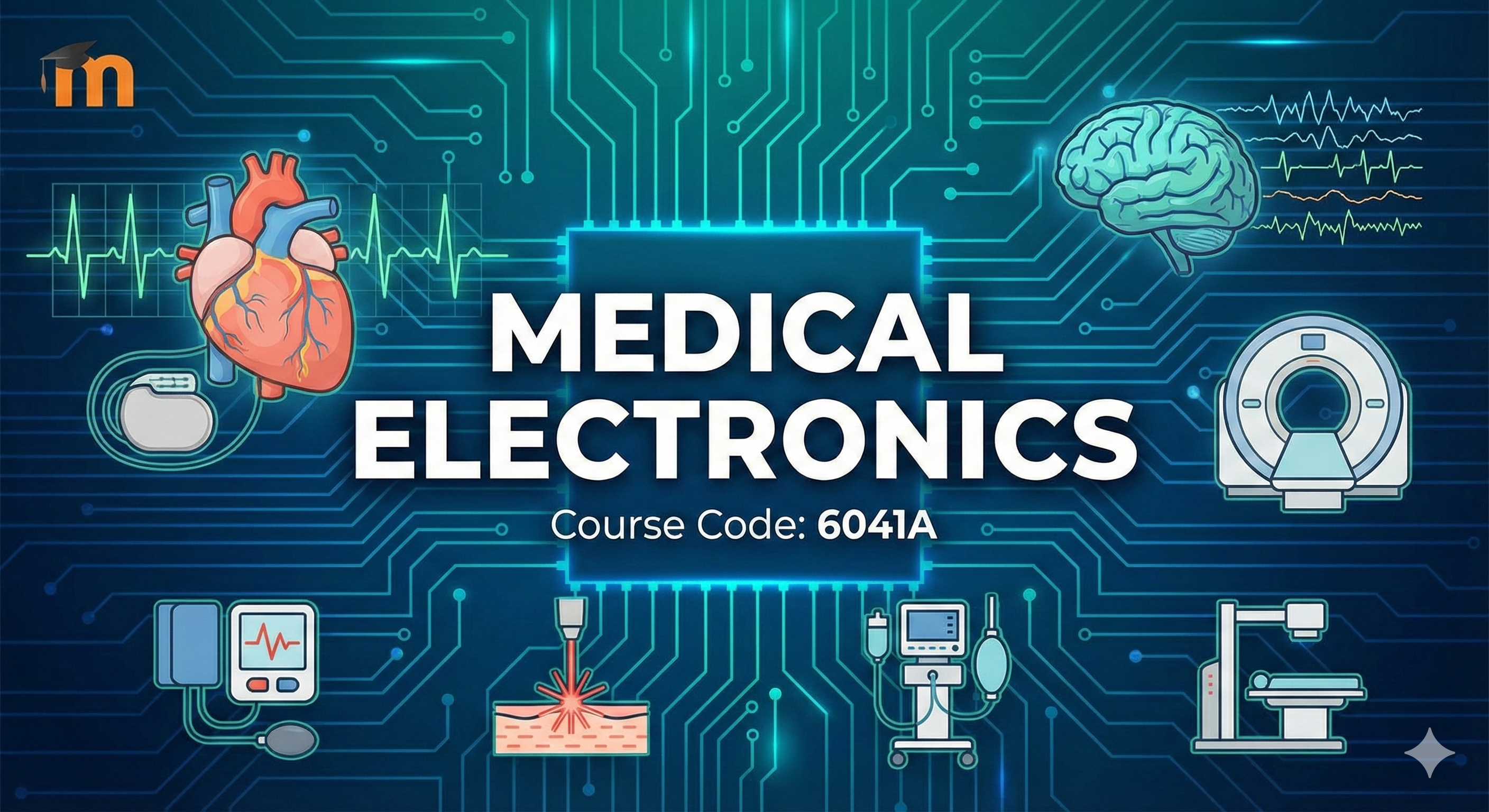
This course explores the essential technologies where electronics and healthcare meet. You will learn about the instruments used for diagnosis, therapy, and patient monitoring.
What You'll Learn:
Bio-potentials: How the body's electrical signals (ECG, EEG, EMG) are measured.
Diagnostic Tools: Equipment for measuring blood pressure and analyzing blood parameters.
Therapeutic Devices: The working of pacemakers, defibrillators, ventilators, and dialysis machines.
Medical Imaging: Basics of X-ray, CT, MRI, and ultrasound systems.
Safety: Crucial electrical safety precautions in medical environments.
By the end of this course, you will understand the principles, applications, and safety aspects of key biomedical equipment.